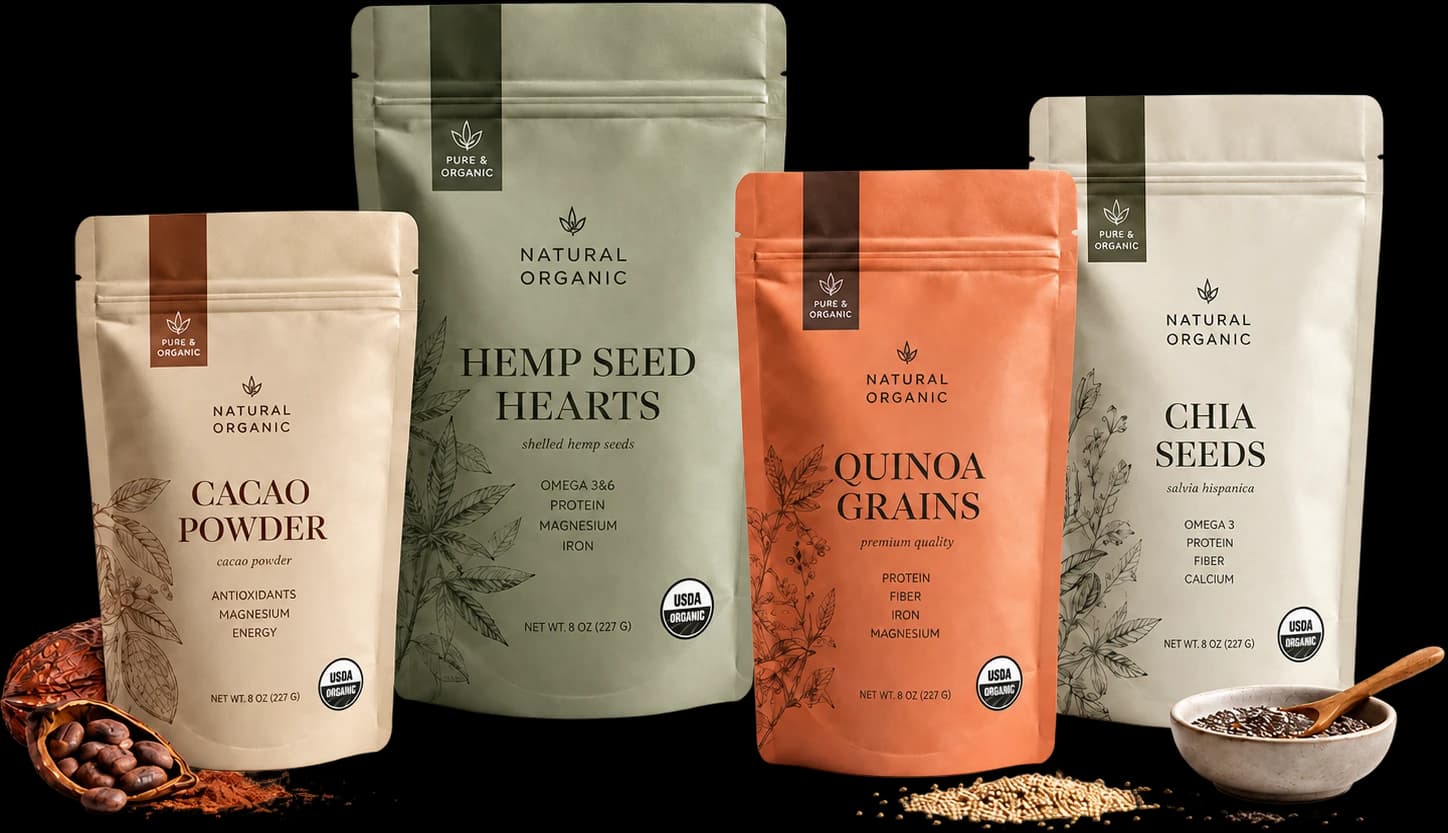
Flexible packaging, engineered from the die-line up.
MPS designs, engineers and manufactures custom pouches, bags and rollstock through our manufacturing network, then lands them on your dock anywhere in the world. Low minimums, barrier specs that match your product, and an engineer on your file from first drawing to final pallet.
Every pouch on this page started as a drawing. The die-line is further down.
Ten packs. Ten different problems solved.
Every one of these was specified from the product outwards, then printed, laminated and made on our own lines. Drag the strip, or let it run.
- Food & beverage
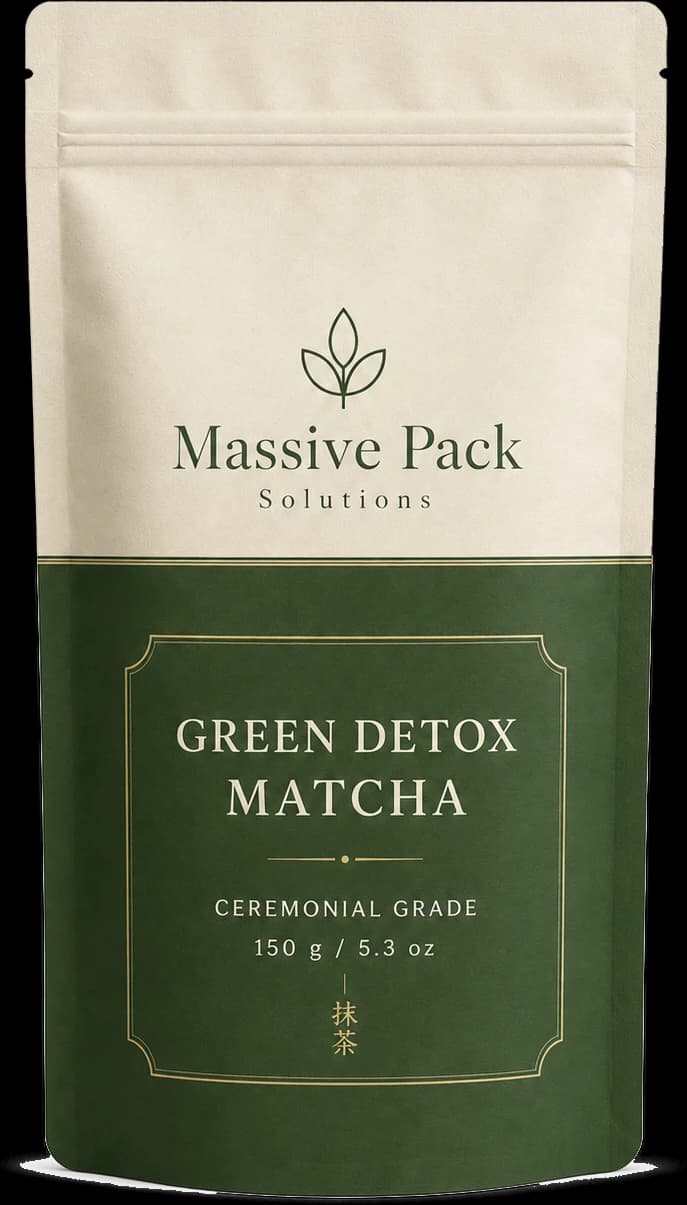
Stand-up pouches with a resealable track. Barrier chosen for the shelf life the product actually needs, not the one on the brief.
- Pet food & treats
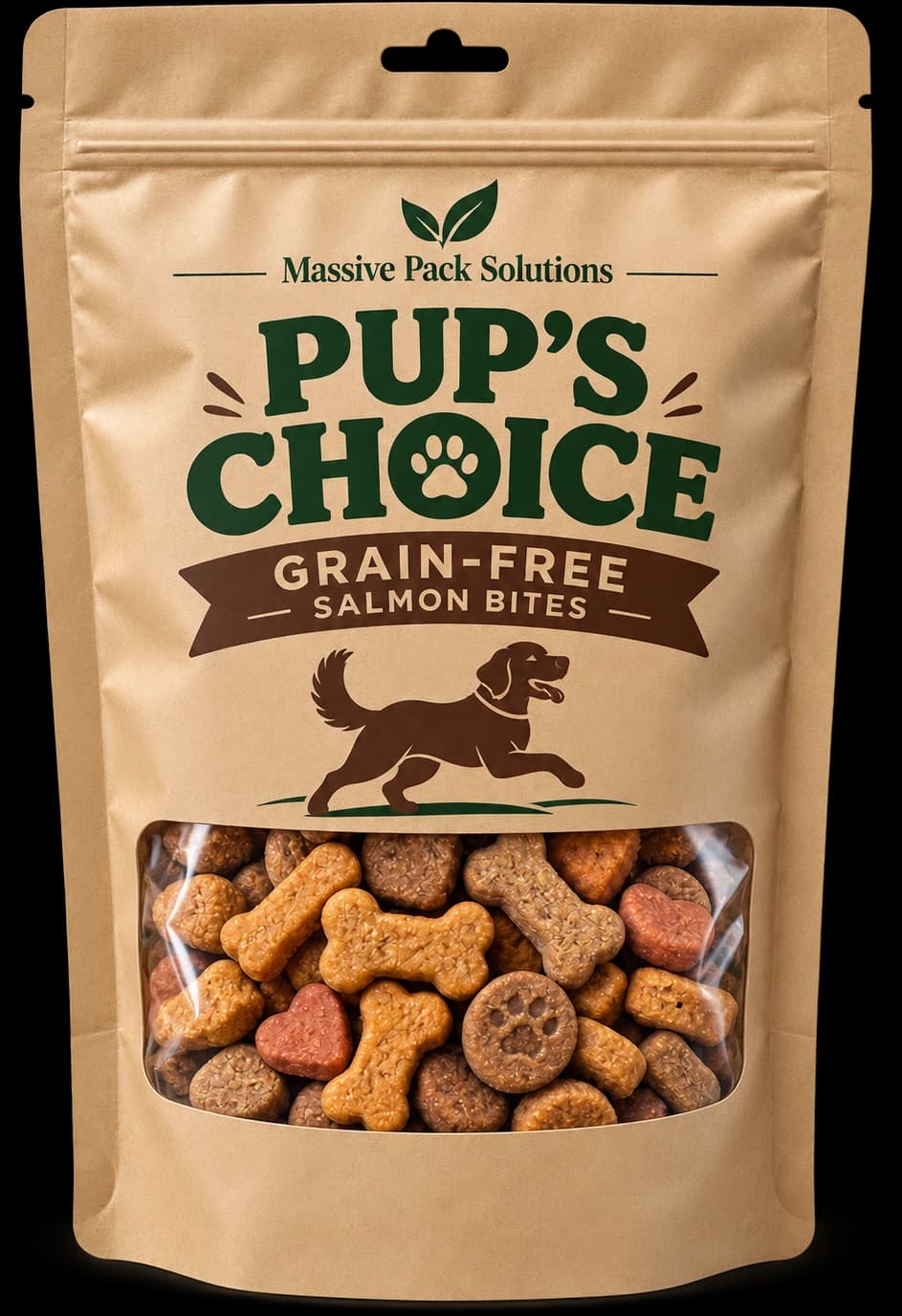
Heavier gauge for dense, abrasive product, a window onto it, and a euro slot for peg display.
- Cosmetics & personal care
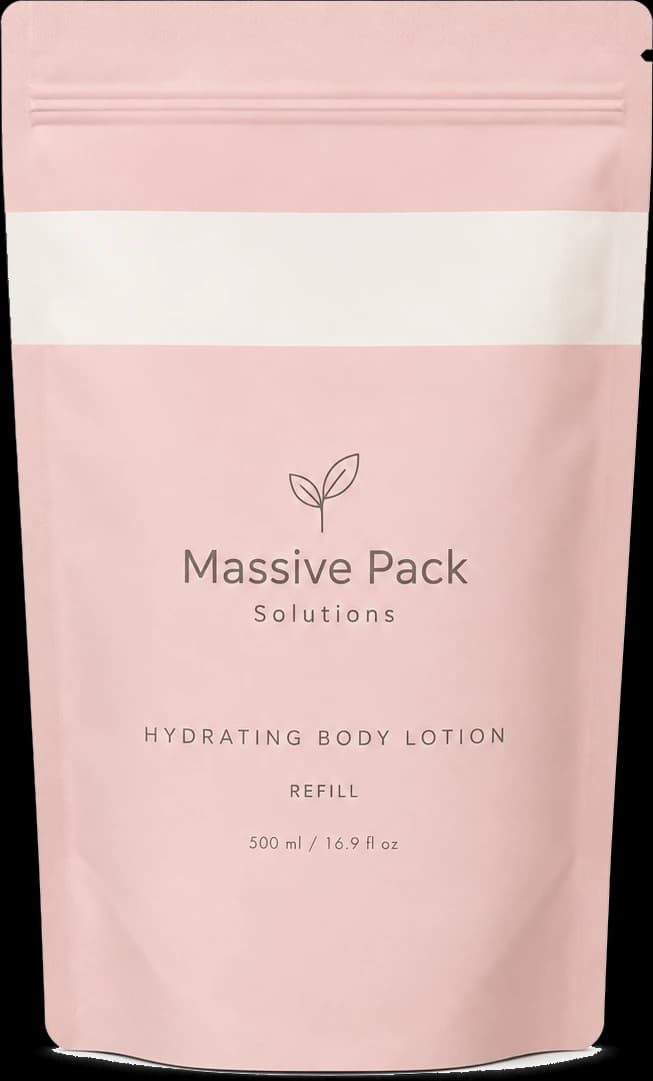
A matte stand-up pouch with a resealable track, sized as a refill for a rigid pack rather than as the pack itself.
- Health & wellness
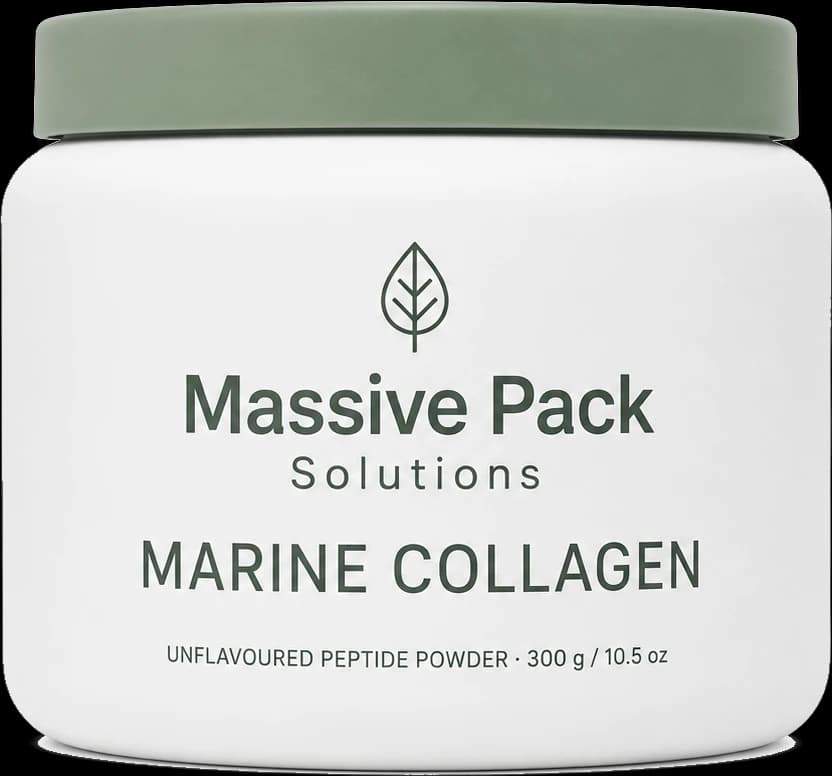
A rigid container with a wide mouth, specified for a dry powder that has to stay dry and be scooped to the last serving.
- Beverage
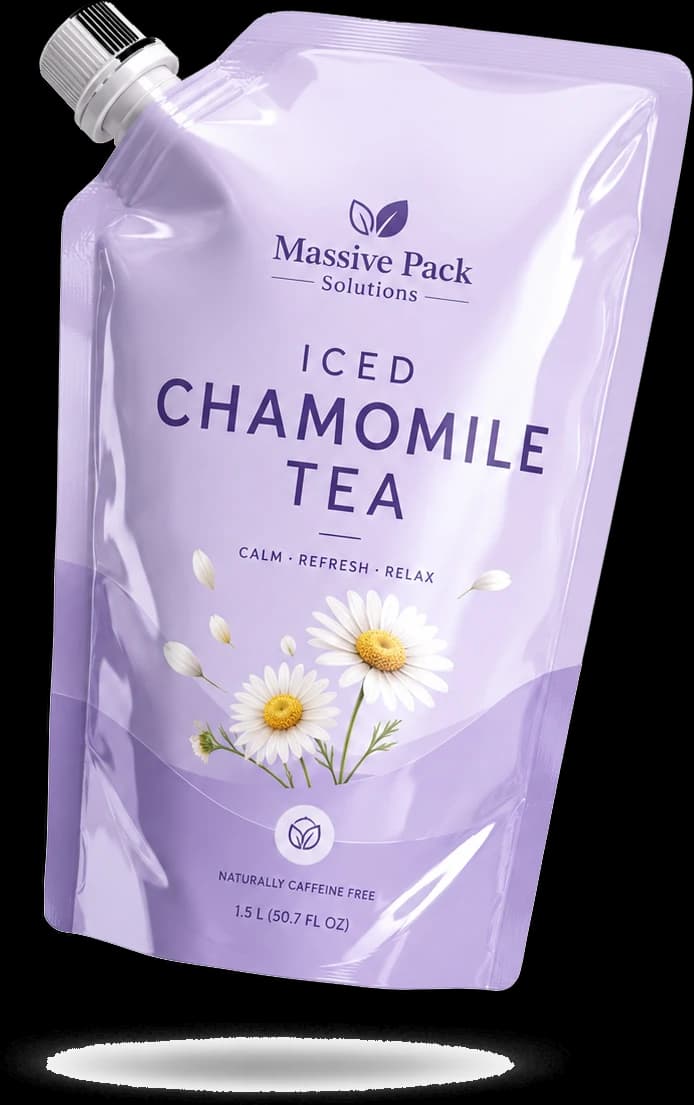
A spouted pouch, filled for liquid.
- Industrial products
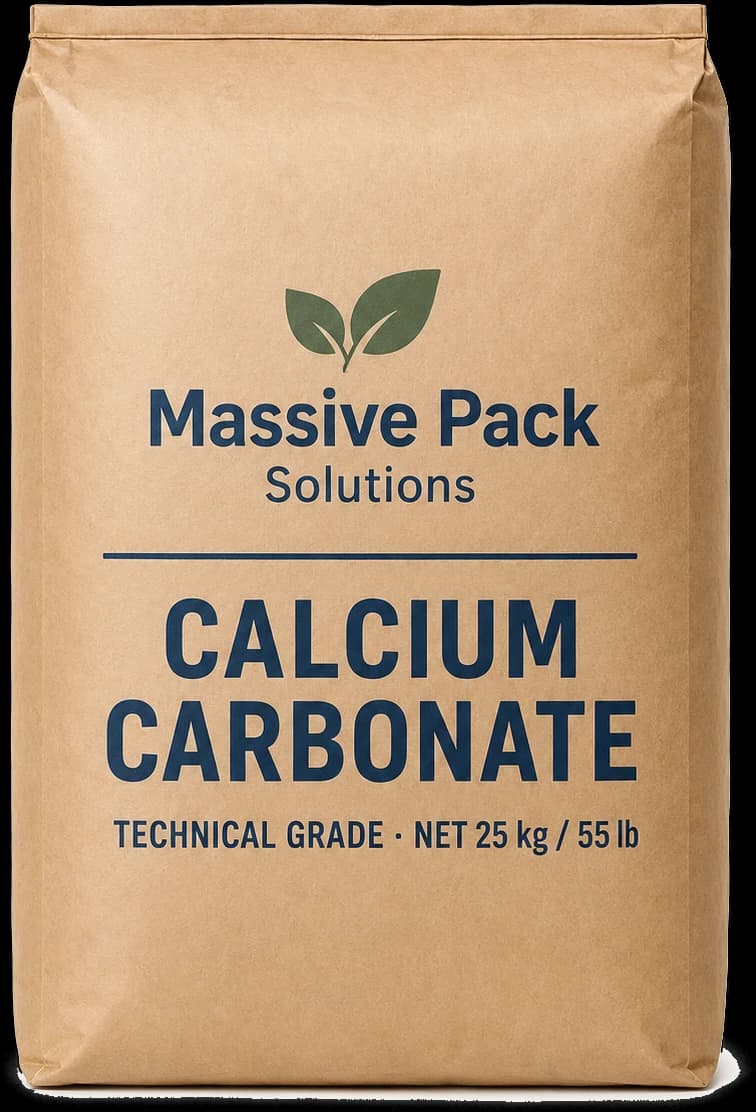
Multiwall kraft with a block bottom, built to stack on a pallet and to take the handling it will actually see.
- Consumer packaged goods
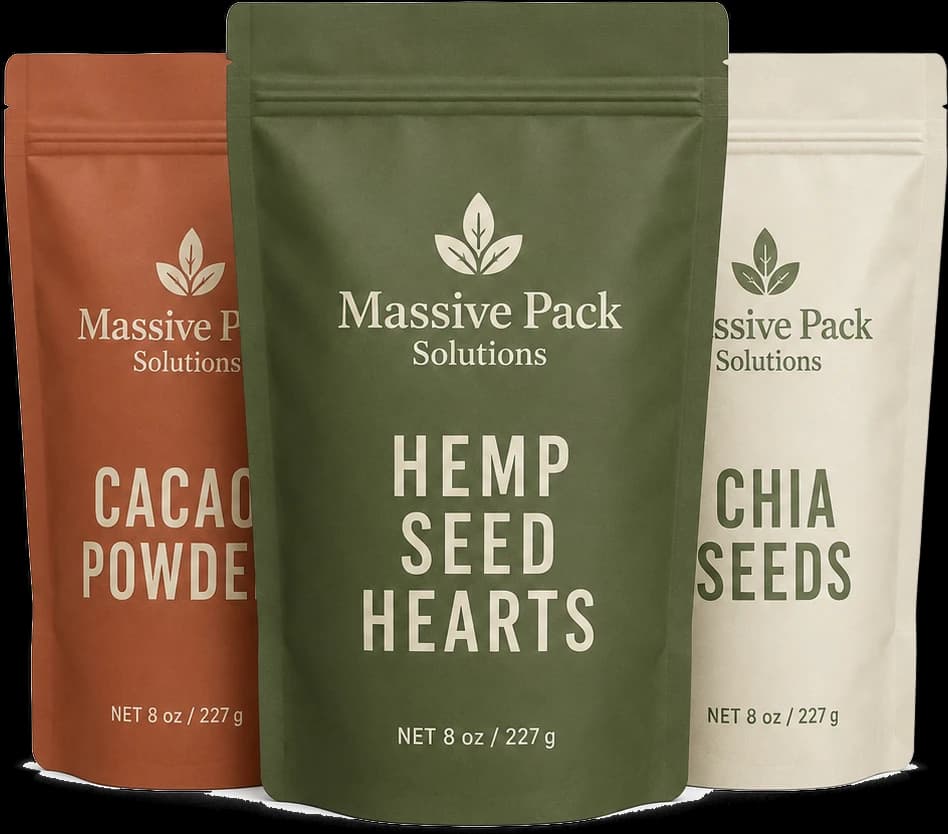
One structure across a range, so every SKU runs on the same line and looks like a set on the shelf.
- Nutraceuticals & supplements
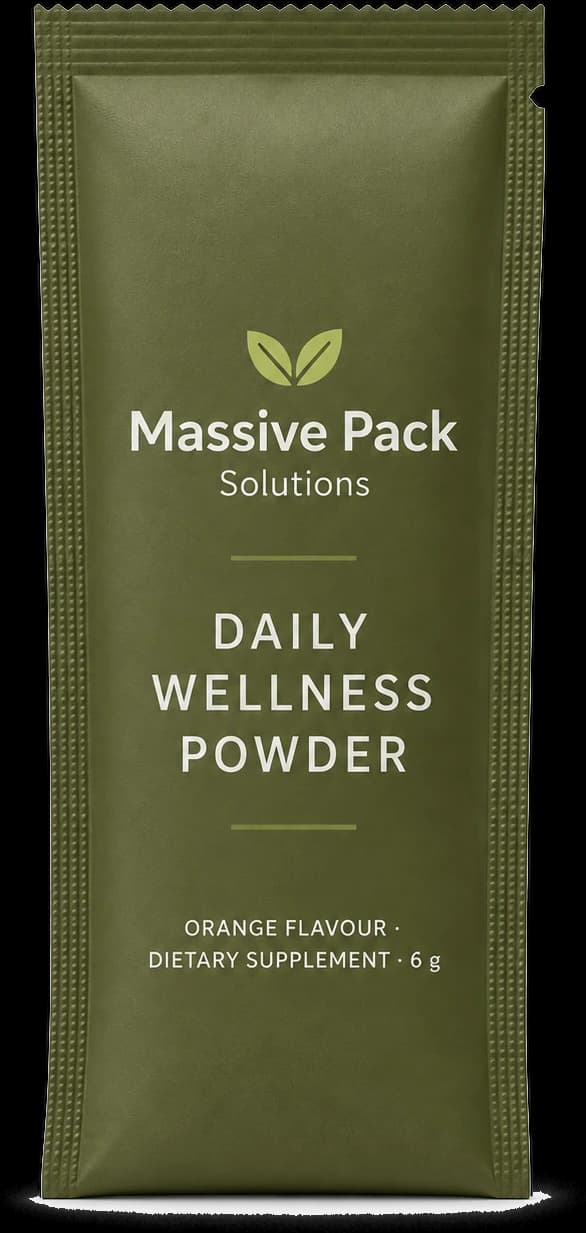
A stick pack. One dose per seal keeps the rest of the batch away from oxygen until it is opened.
- Dry goods
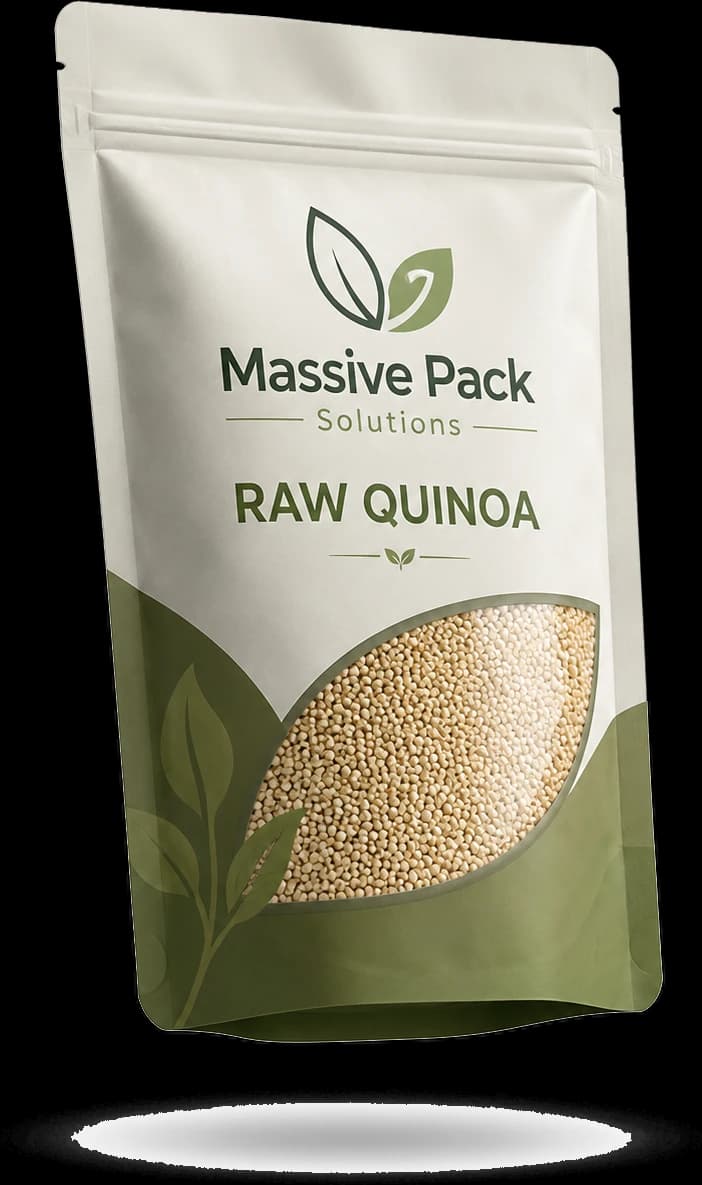
A single-SKU stand-up pouch with a bottom gusset and a matte finish.
- Household products
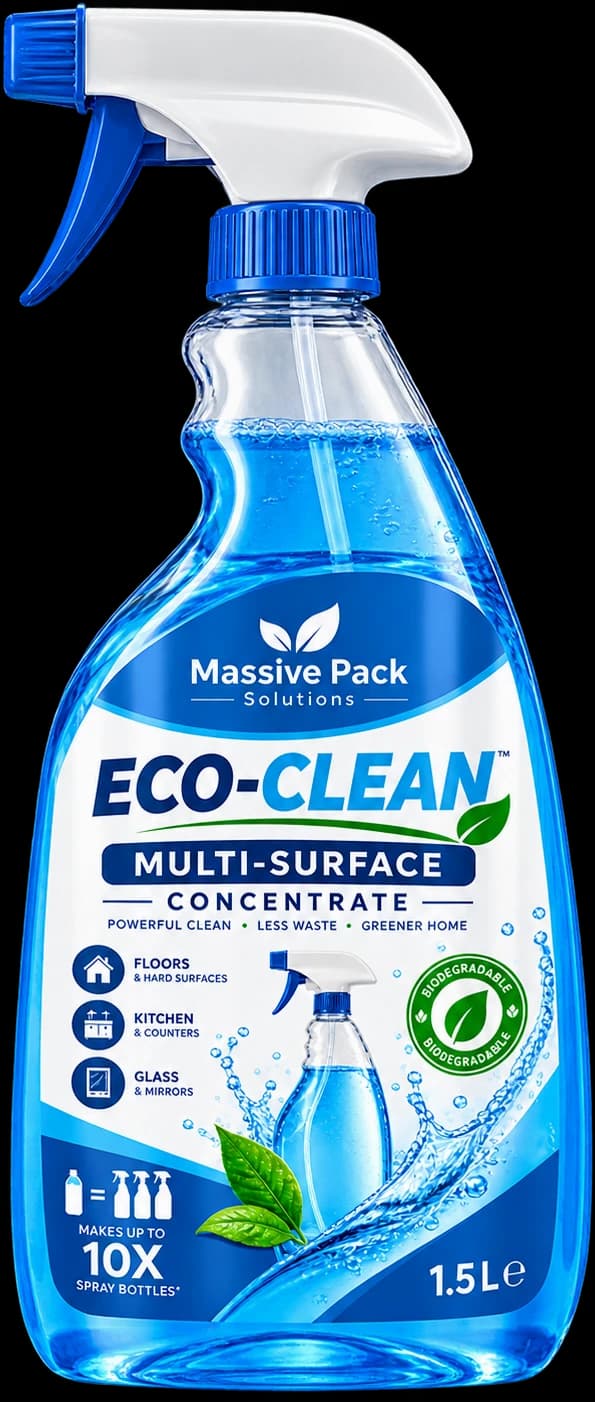
A rigid container, specified for chemical compatibility with the formulation it holds rather than for the shelf.
Six steps from your product to the shelves.
Nothing here is a black box. You see the spec, the drawing and the proof before anything goes on press.
- 01
Specification
You tell us what goes inside — fat content, moisture, aroma, shelf-life target, fill method. We come back with a film structure and the reasoning behind it.
- 02
Die-line
We draw the pack: dimensions, gusset depth, seal widths, notch position, valve and zipper placement. Your designer gets a template that actually fits the press.
- 03
Proof & sample
A digital proof for colour and copy, then a physical sample in the real film so you can feel the pack and run it on your filling line.
- 04
Print
Rotogravure for long runs and dense solids, with automated inspection watching every metre of web for register and defects.
- 05
Convert
Laminating, slitting and pouch forming. Zippers, valves, spouts and tear notches applied, then sampled against the approved standard.
- 06
Freight
Palletised, consolidated and shipped by ocean or air, cleared through customs and delivered. Typical door-to-door is as fast as 2 weeks, depending on production volume and freight.
A packaging partner that answers the technical question first.
Most suppliers quote a bag. We specify a structure — because the wrong film costs more in shelf life than it ever saves in price.
Minimums that fit a launch
Start at any amount for your test bags — we don't have a MOQ, so why should you worry about one? Test a flavour, a size or a whole market without committing to a year of inventory sitting in a warehouse.
Barrier specified, not guessed
We match the film structure to your product's oxygen, moisture, light and aroma requirements. You get the spec in writing, with the reasoning.
End to end, in-house
Rotogravure printing, solvent-free lamination, slitting, converting and automated print inspection all happen through our manufacturing network in Japan and China.
Delivered, not shipped
Freight, customs and inland delivery are handled by us. You get a landed price to your dock — not a factory-gate number that grows on the way over.
Eleven formats. One conversation about which one is right.
The format decides how your product fills, how it sits on shelf and what it costs to ship. We start there, not with the artwork.
Built for what's inside.
Food, pet food, supplements, cosmetics, household and industrial products all ask something different of a pack. We start with the application, not the catalogue.
- Shelf life and compliance
Food & beverage
Barrier, seal integrity and food-contact compliance, specified around the product, the fill method and how long it has to hold up on shelf.
- Weight and puncture
Pet food & treats
Dense, abrasive product that has to survive the case and the shelf. Structure and seal strength are specified for the load, not for the artwork.
- Oxygen and moisture
Nutraceuticals & supplements
Actives, powders and oils degrade when they meet oxygen or moisture. High-barrier structures and reclose features that stay usable to the last serving.
- Fitment and finish
Cosmetics & personal care
Sachets, spouted packs, tubes and specialised components chosen for the formulation, the filling equipment and the finish the brand needs.
- Chemical compatibility
Household products
Detergents, cleaners and refills need films and closures that are compatible with the formulation and stay safe through distribution.
- Consistency across a range
Consumer packaged goods
Multi-SKU lines that have to look consistent, run reliably on the same equipment and reach the shelf on schedule.
See the floor your packaging runs on.
Sourcing overseas asks you to trust a supplier you cannot walk through. So here is the line — presses, lamination, slitting, inspection and the finished-goods shelf.
Tell us what's inside the pouch.
Send your product, your target shelf life and your volumes. You'll get a film structure, a die-line and a landed price — from an engineer, not a form letter.